From Linköping to the world
MAUS Delivers fire safety excellence across continents
Distribution
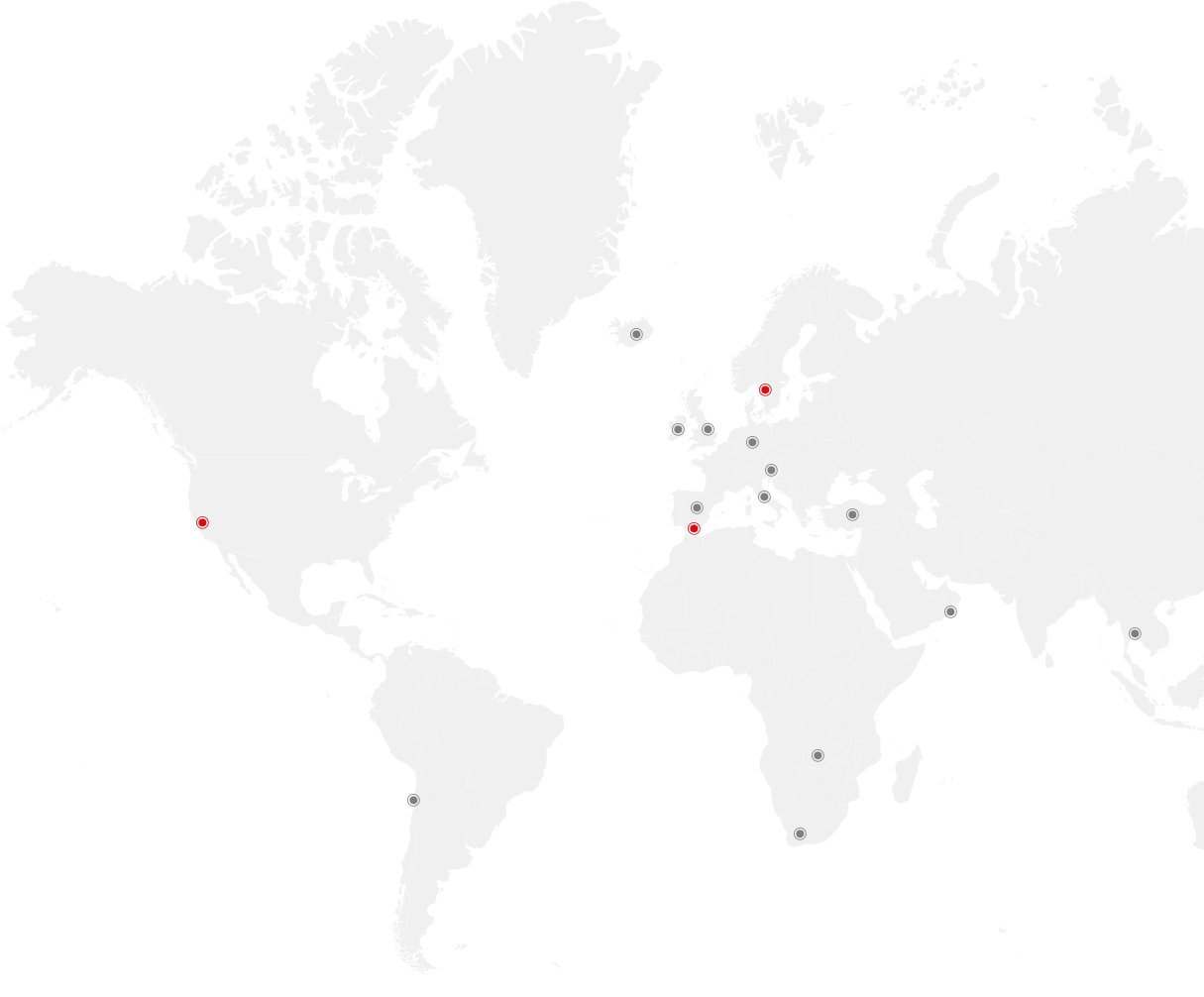
From our headquarters, we pack and ship products to customers worldwide, serving industries ranging from the Zambian mining sector to the American home improvement market, from hospitals in the UK to the Toyota factory in Indonesia. We have distribution in over 20 countries and are continuously seeking opportunities to expand further.
Application

ELECTRICAL VEHICLE
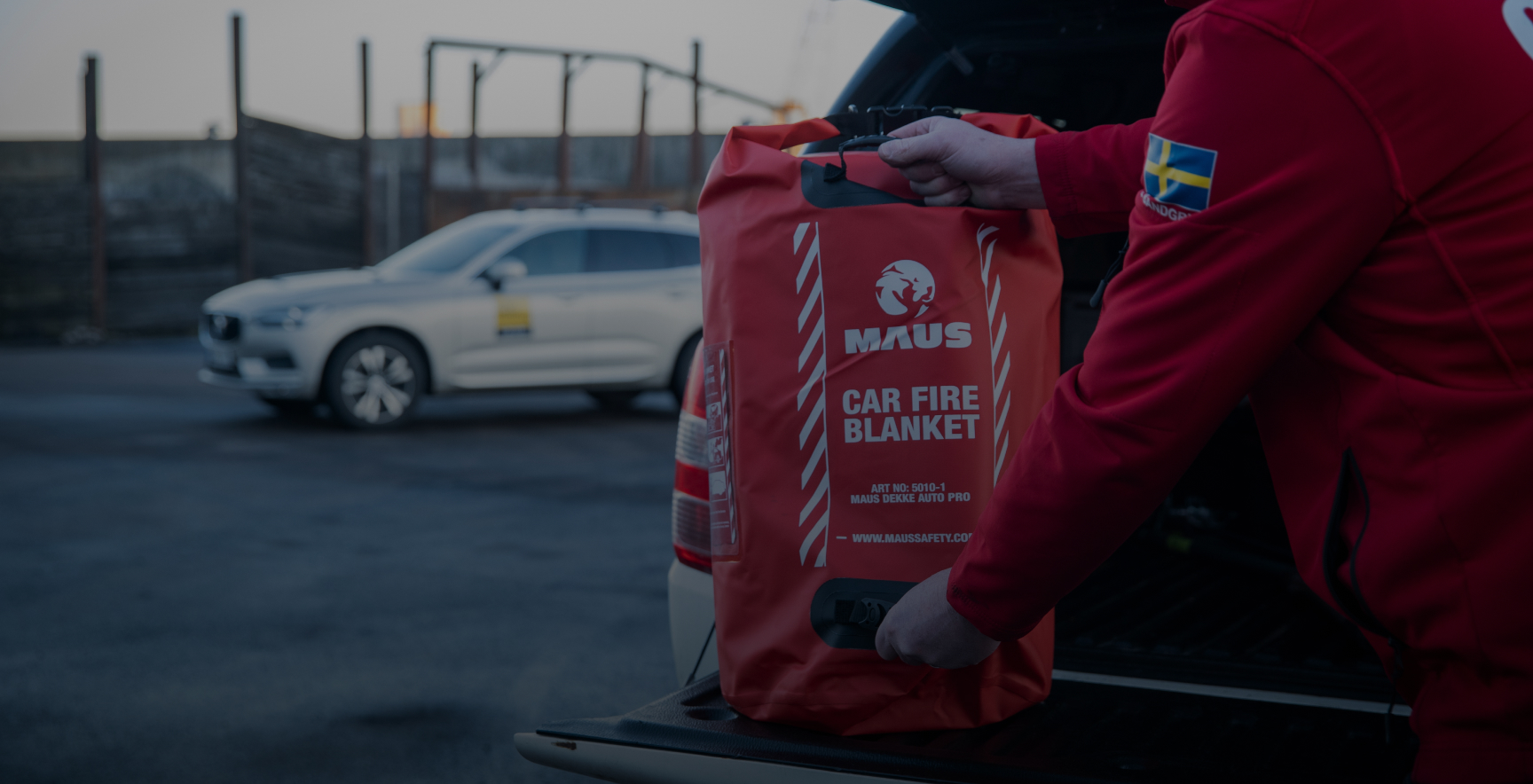
In 2024, MAUS filed a patented solution to address the challenge of lithium car battery fires, showcasing its commitment to innovative safety technologies.
WIND POWER
Overheating, short circuits, incorrect installations, etc., can all be causes of fires in wind turbines. These incidents not only pose significant safety risks but can also lead to costly downtime and damage to critical infrastructure.
ENERGY STORAGE
BESS not installed properly, incorrect wiring, overloading of circuits, or improper ventilation, all of which can cause overheating and thermal runaway.
MACHINES / EQUIPMENT
Flammable fluids, hot components, faulty equipment, leaking pipes or hydraulic lines and electrical hazards are common fire hazards.
SERVER ROOM
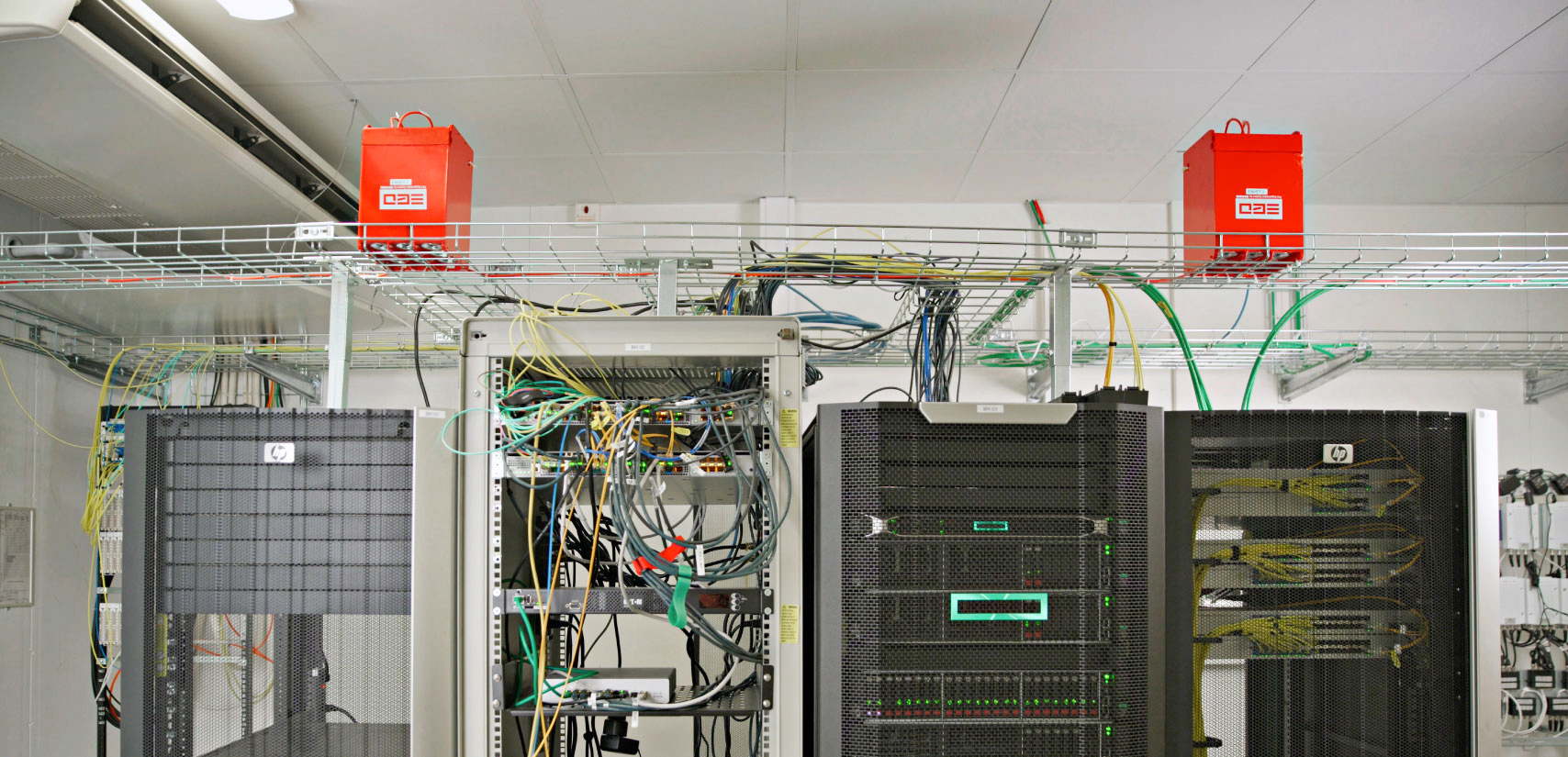
Extensive cabling, overloaded plug sockets, short circuiting of electrical components such as switches or power inverters.
ELECTRIC ENCLOSURE
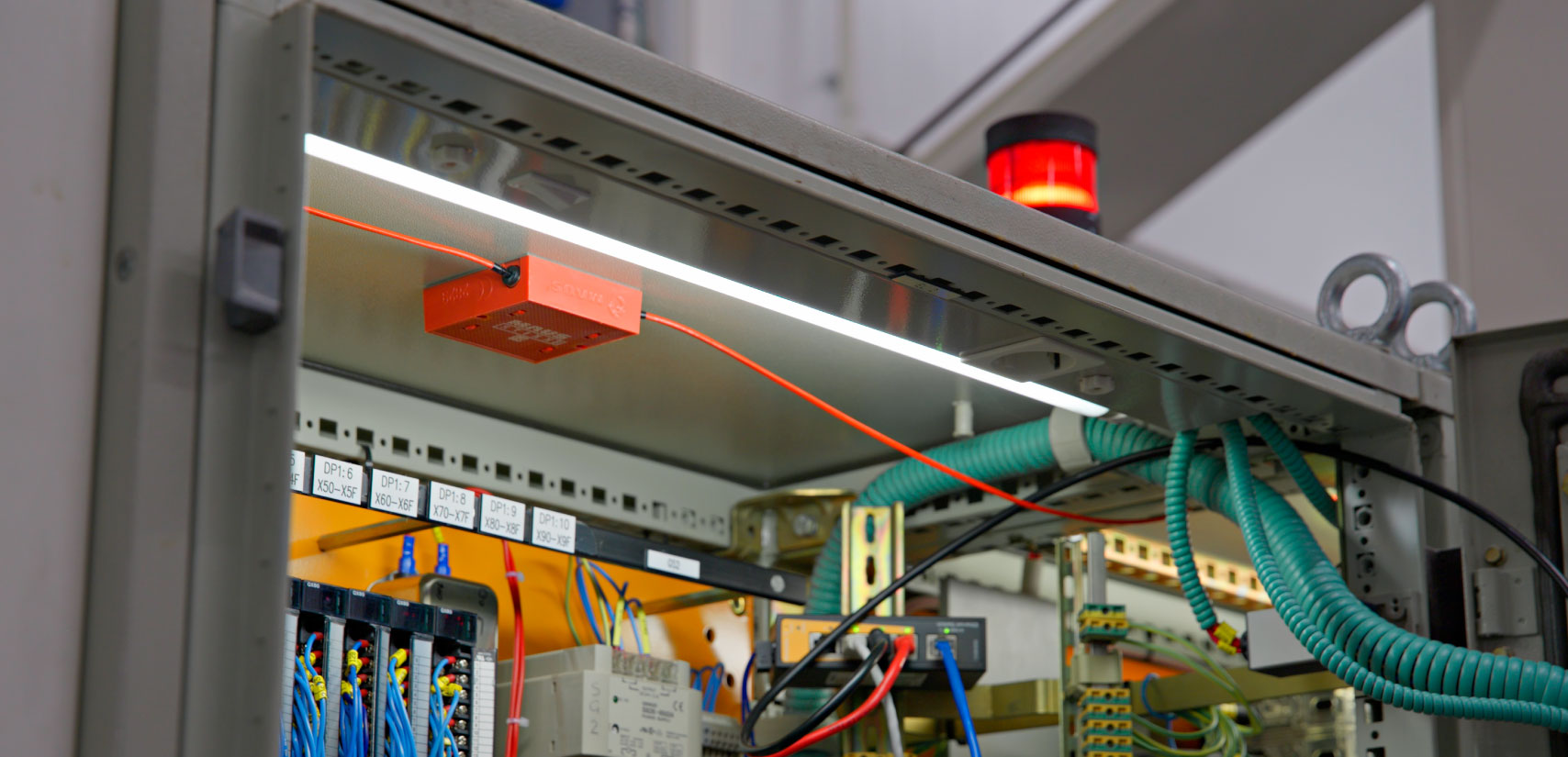
Faulty sockets and outlets, serial or parallel arcs, overheating, outdated wiring, old appliances and loose com- ponents can all be potential fire risks.
Awards
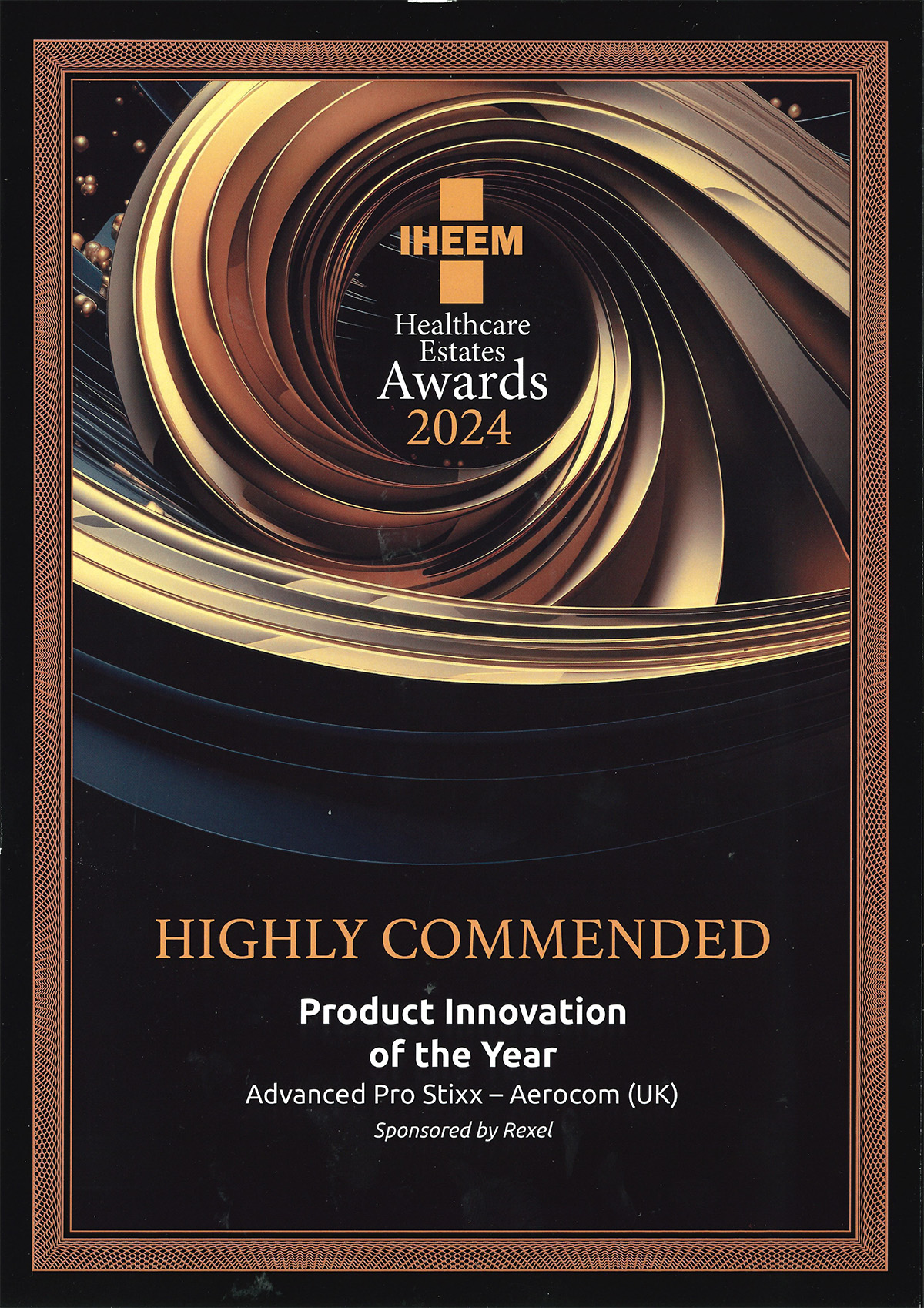
As the UK’s leading institute for healthcare engineering and estate management, IHEEM supports best practices and drives innovation in healthcare environments. Their annual Healthcare Estates Conference and Awards highlighted advancements that improve safety, efficiency, and sustainability across the sector.
This recognition underscored our commitment to developing advanced fire suppression solutions alongside our partners Aerocom (UK) and Dynamic Electrical Engineering Contractors Ltd.

Projects
Get certified through MAUS Academy

Stixx Pro Series
Ego Series

Grand

Granate

Klein

Dekke
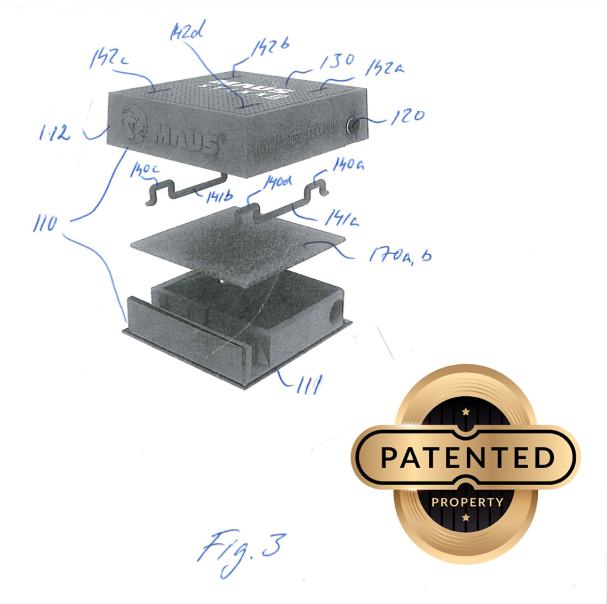
Patent
“The aerosol is composed of a potassium compound. Potassium radicals can halt the chemical reactions occurring in a fire by neutralizing hydrogen, oxygen, and hydroxyl radicals in the flame. The fine extinguishing particles are an extremely effective extinguishing agent. Small particles will remain suspended in the surrounding air for a longer time compared to larger particles. This extended suspension time can contribute to increased protection against re-ignition.”
Certifierad

Clients